 11
11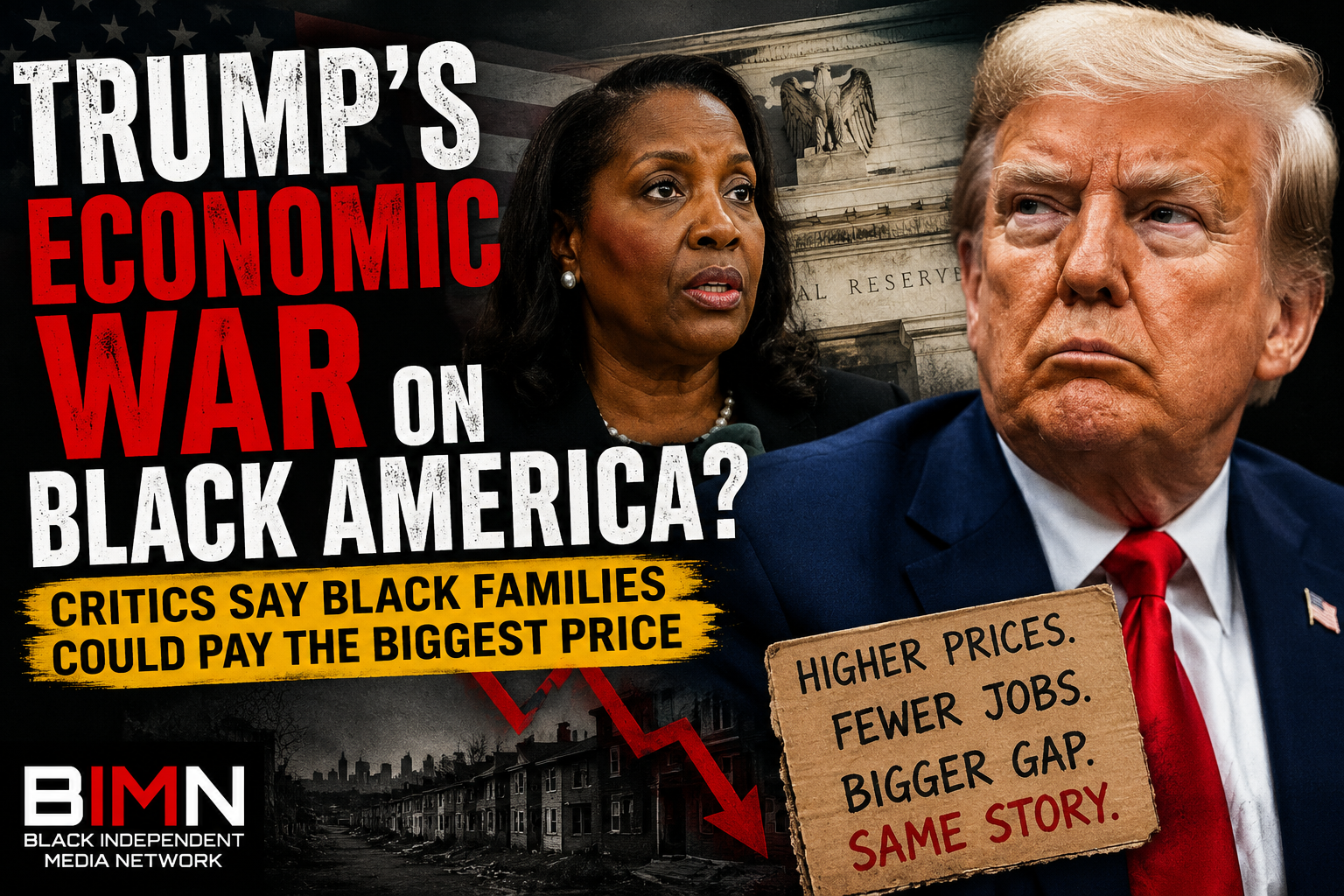
By Black Independent Media Network
As the 2026 election season heats up, renewed debate over former President Donald Trump’s economic agenda is raising concerns among economists and civil rights advocates, many of whom argue that proposed policies could have an outsized impact on Black Americans.
One of the central figures in the discussion is Federal Reserve Governor Lisa D. Cook, the first Black woman to serve on the Federal Reserve Board. Cook has consistently emphasized the importance of maintaining low unemployment and stable inflation, noting that historically marginalized communities often experience the greatest economic hardship during downturns.
Black Americans have historically faced higher unemployment rates, lower household wealth, and greater barriers to homeownership and business financing than many other demographic groups. Economists warn that broad economic shifts—including higher inflation, job losses, or reduced federal investment—can deepen those existing disparities.
Critics of Trump’s proposals argue that aggressive tariffs, cuts to federal agencies, and changes to economic oversight could increase prices for consumers while slowing job growth. Supporters, however, contend that tariffs would strengthen American manufacturing, reduce reliance on foreign imports, and ultimately create more jobs for U.S. workers.
The Federal Reserve operates independently from the White House and plays a critical role in managing inflation, employment, and interest rates.
Some analysts have expressed concern about political pressure on the Federal Reserve, arguing that preserving its independence is essential for maintaining economic stability. Lisa Cook has been among officials stressing the importance of making decisions based on economic data rather than political considerations.

Black-owned businesses, many of which operate on thinner profit margins and have less access to capital than larger corporations, may be especially vulnerable to rising costs caused by tariffs or supply chain disruptions.
Small business advocates say higher operating expenses could make it harder for entrepreneurs to hire workers, purchase inventory, or expand operations.
Economic policy often affects Americans differently depending on income, geography, and access to financial resources. While supporters of Trump’s agenda argue that tax cuts and deregulation promote long-term growth, critics believe those benefits are unevenly distributed and may not sufficiently address the economic challenges facing Black communities.
As campaign rhetoric intensifies, voters are likely to hear competing visions for the nation’s economy. Understanding how proposed policies could affect jobs, wages, inflation, and small businesses will be an important part of evaluating those claims.
The discussion surrounding Donald Trump’s economic proposals is about more than politics—it’s about how policy decisions shape everyday life. For many Black Americans, the stakes include employment opportunities, the cost of living, access to capital, and the long-term ability to build generational wealth.
As the election approaches, economists, policymakers, and voters alike will continue debating which economic path offers the greatest opportunity for all Americans.
What do you think? Do you believe current or proposed economic policies will help or hurt Black communities? Join the conversation in the comments below.