 11
11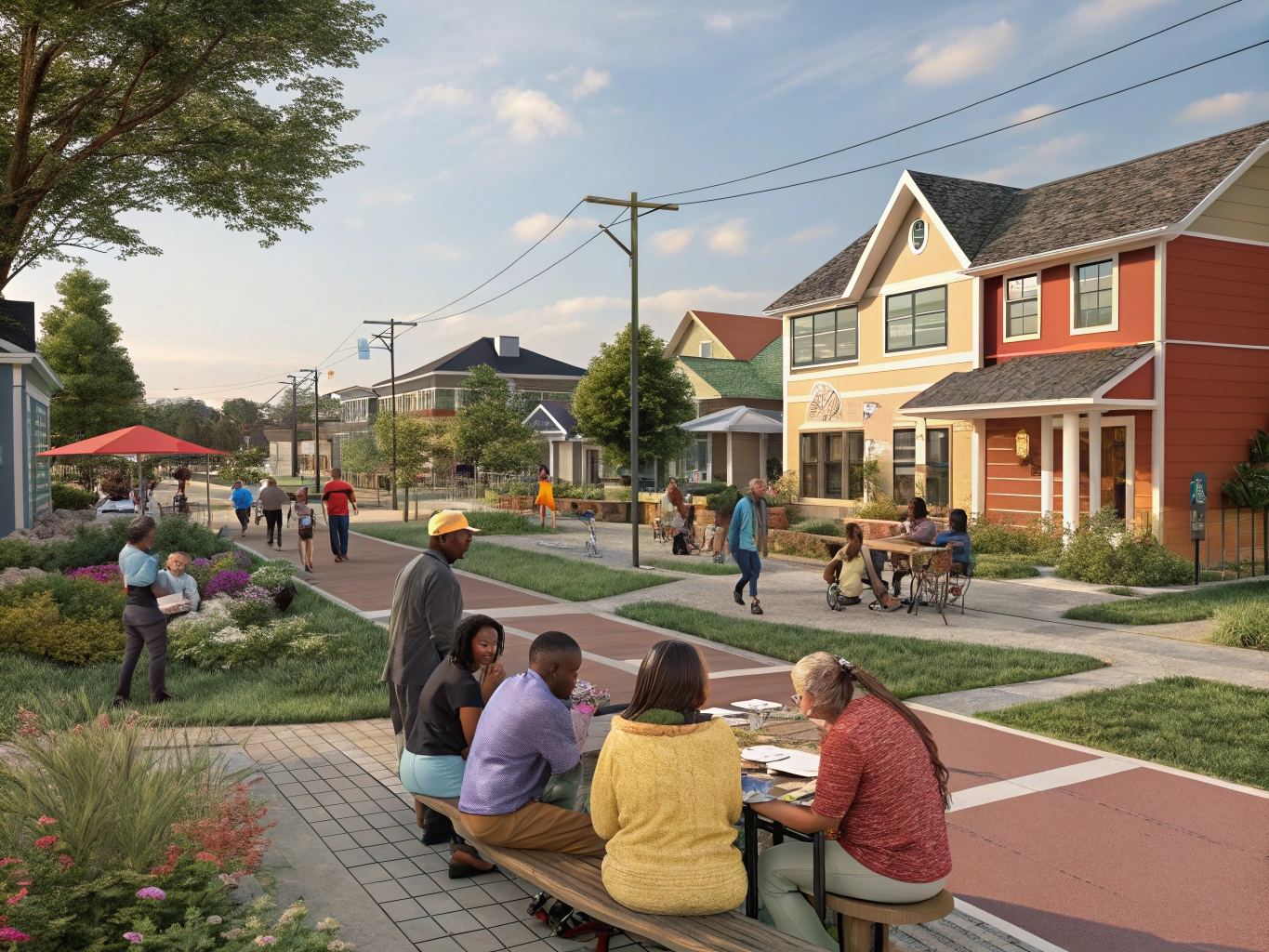
By Black Independent Media Network
A growing number of Democratic Socialists are working to expand their appeal among Black voters by focusing on issues they say directly affect everyday life, including affordable housing, healthcare, public safety, education, and economic opportunity.
The conversation comes as local and national political organizations continue to compete for support from Black communities ahead of future elections. Rather than relying solely on traditional campaign messaging, some progressive leaders are emphasizing neighborhood-level concerns and community engagement.
According to recent reporting, Democratic Socialist leaders argue that addressing practical challenges—such as rising housing costs, access to quality schools, healthcare affordability, and job opportunities—can help build stronger relationships with voters.
Supporters believe these policies speak to long-standing economic concerns facing many communities, while critics question whether the movement’s proposals are realistic, affordable, or likely to produce the desired results.
Some organizers say winning trust requires more than election-year outreach. They argue that sustained involvement in neighborhoods, listening to residents, and working on local issues year-round are essential to building credibility.
Political analysts note that Black voters are far from a monolithic voting bloc. Priorities often differ based on age, income, region, religious beliefs, and personal experiences, making broad assumptions about voter preferences unreliable.

Black voters have historically played a significant role in shaping local, state, and national elections. As political coalitions evolve, parties and political movements continue searching for ways to connect with communities through policies they believe address pressing concerns.
Observers say debates over economic inequality, housing, healthcare, public safety, education, and workers’ rights are likely to remain central issues in many elections, regardless of party affiliation.
As the political landscape changes, organizations across the ideological spectrum are reassessing how they engage with Black communities. Whether those efforts lead to lasting support will likely depend on how voters evaluate policy proposals, leadership, and results over time.
For many Americans, the conversation extends beyond party labels and centers on a broader question: which policies and leaders are most effective at improving everyday life and expanding economic opportunity.
What are your thoughts? Should political movements focus more on local community issues than national party politics? Share your perspective in the comments.