 11
11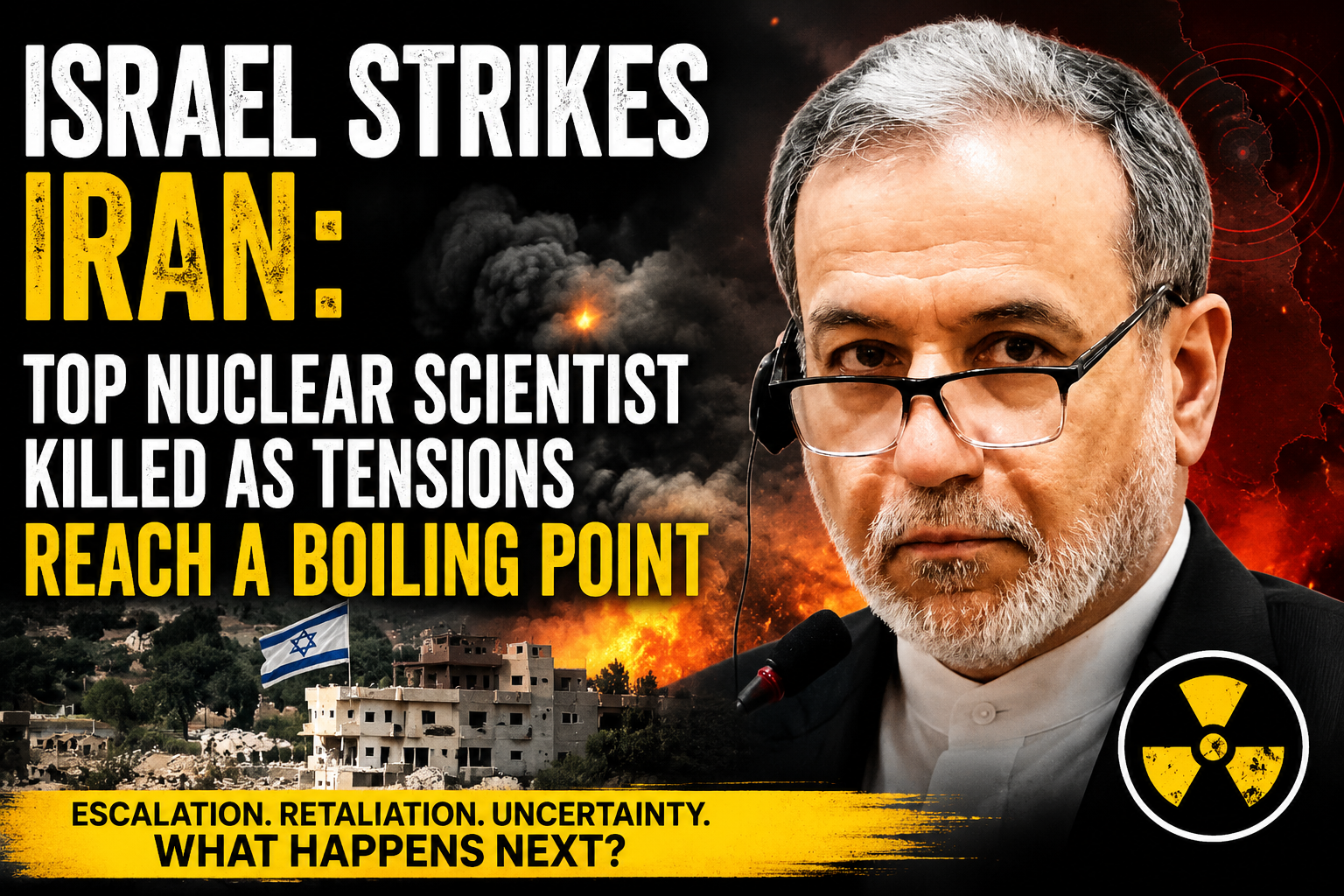
By Black Independent Media Network
The conflict between the United States and Iran has entered a dangerous new phase following U.S. military strikes targeting key Iranian nuclear facilities. The operation, announced by President Donald Trump, has drawn sharp reactions from world leaders and heightened concerns that the Middle East could be on the brink of a broader regional conflict.
The strikes come amid escalating hostilities between Iran and Israel, raising fears that diplomatic efforts may become increasingly difficult as military action intensifies.
According to U.S. officials, American forces targeted several Iranian nuclear sites believed to be central to the country’s nuclear program. The administration described the operation as a necessary step to prevent Iran from advancing its nuclear capabilities and to protect U.S. national security interests.
President Trump said the strikes were intended to significantly weaken Iran’s nuclear infrastructure while warning Tehran against retaliatory attacks.
Iranian officials condemned the operation, calling it a violation of international law and vowing that the country would respond at a time and place of its choosing.
The strikes have prompted immediate reactions from governments around the world.

Several U.S. allies expressed concern about the potential for the conflict to expand beyond Iran and Israel, while urging all parties to return to diplomatic negotiations.
The United Nations also renewed calls for de-escalation, warning that further military action could threaten regional stability and increase the risk of civilian casualties.
Military analysts say several scenarios are possible in the coming days and weeks, including:
The situation remains fluid, and officials continue to monitor developments closely.
A prolonged conflict could have worldwide consequences.
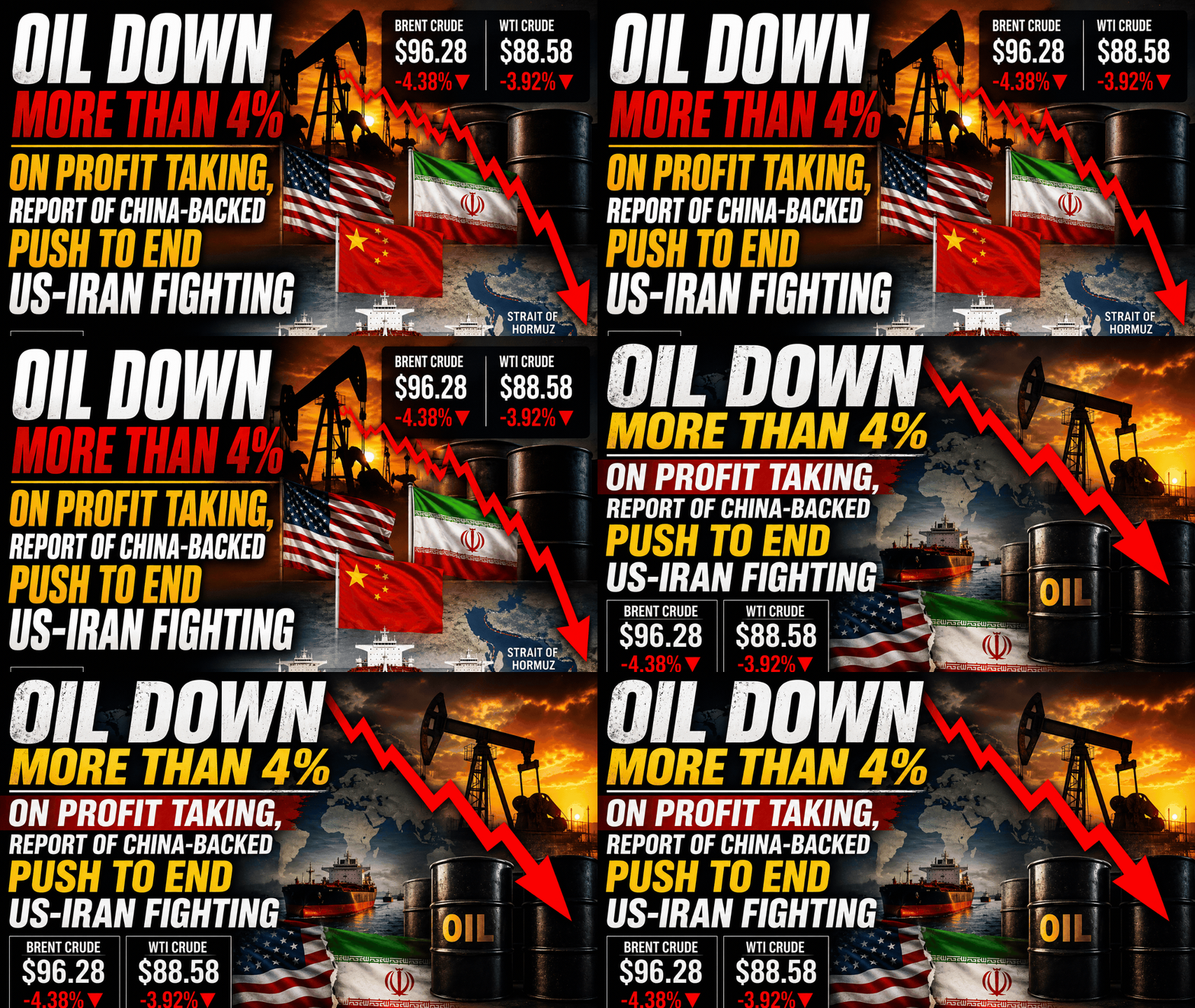
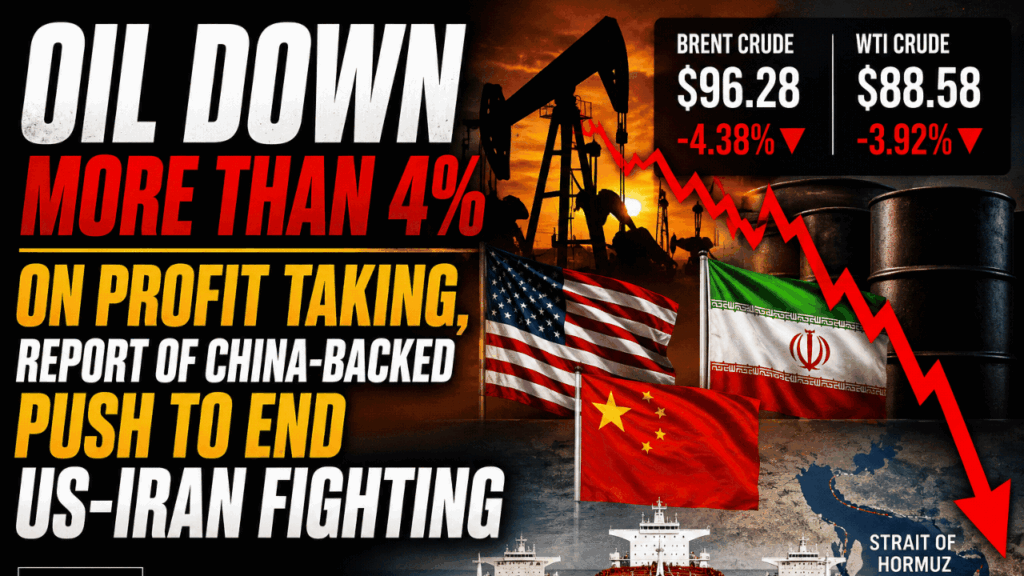
Global financial markets often react to instability in the Middle East, particularly when energy supplies are threatened. Rising oil prices can increase transportation and manufacturing costs, contributing to higher prices for consumers.
Additionally, any expansion of the conflict could affect international trade, humanitarian efforts, and global security partnerships.
The strikes have complicated ongoing efforts to address concerns over Iran’s nuclear program through diplomacy.
While some policymakers argue that military action was necessary to deter Iran’s nuclear ambitions, others warn that sustained dialogue remains essential to reducing long-term risks and preventing further escalation.
International observers continue to stress the importance of diplomacy, transparency, and adherence to international law as the crisis unfolds.
The U.S. strikes on Iranian nuclear facilities represent one of the most significant developments in U.S.-Iran relations in years. As Iran weighs its response and world leaders push for restraint, the coming days will be critical in determining whether the region moves toward broader conflict or renewed diplomatic engagement.
With tensions already high, governments, markets, and civilians around the world will be watching closely for signs of either escalation or a path back to negotiations.