 11
11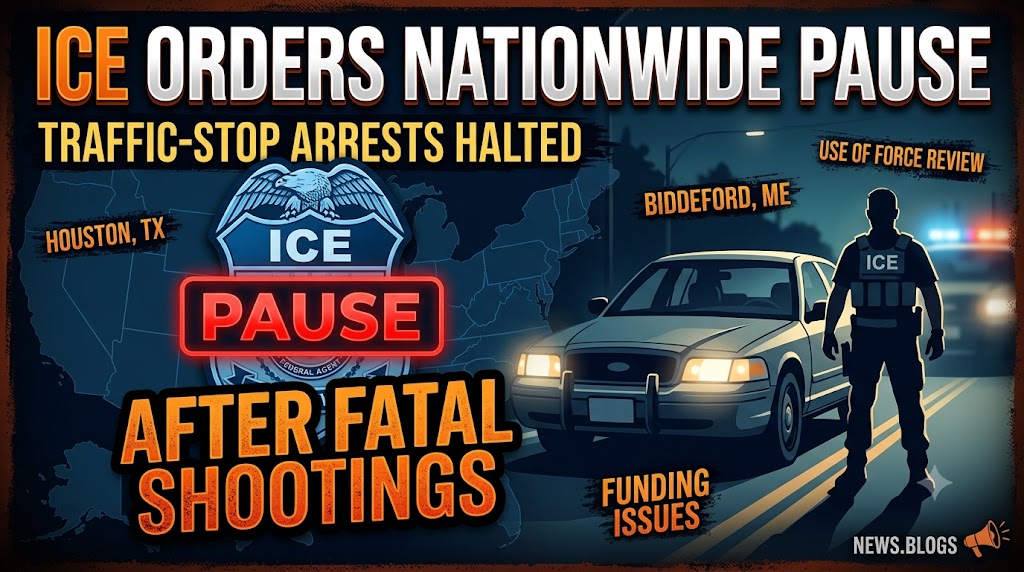
U.S. Immigration and Customs Enforcement (ICE) has issued a nationwide directive temporarily instructing officers to halt vehicle-stop arrests in most cases. The significant shift in tactics comes as the Trump administration scrambles to respond to immense public pressure following a pair of fatal shootings involving ICE officers firing into vehicles.
The two deadly incidents occurred within a span of just one week, sparking intense national scrutiny and immediate calls for accountability.
The policy pause was catalyzed by two separate operations where individuals who were not the intended targets of the operations were shot and killed by agents:
The Department of Homeland Security (DHS) has stated that officers in both cases opened fire defensively, fearing for public safety after the drivers allegedly resisted arrest and endangered officers while trying to drive away. However, local officials, civil rights groups, and foreign embassies have fiercely questioned the government’s narrative.
Compounding the public outrage is the revelation that none of the officers involved in either shooting were wearing body-worn cameras. DHS has attributed the lack of standard body cameras to severe funding issues stemming from recent government shutdowns.
The lack of video evidence has intensified calls for independent, transparent criminal investigations. The Congressional Hispanic Caucus has already announced a field hearing to investigate the Houston incident, and the Colombian Embassy has formally demanded answers regarding the death of Guerrero.
The decision to pause vehicle stops marks a massive disruption to standard enforcement procedures. Under the administration’s aggressive mass-deportation campaign, ICE has relied heavily on traffic stops because they can be executed quickly without a judicial warrant.

However, former federal immigration officials point out that forcing agents to conduct high-risk roadside stops pushes them outside their core competencies. Historically, the vast majority of immigration arrests were executed safely within prisons and jails.
According to internal communications, the directive issued from ICE headquarters mandates “no vehicle interactions whatsoever” across the Enforcement and Removal Operations (ERO) branch until further notice. The pause is intended to allow for immediate review of use-of-force policies and tactical retraining. The moratorium will not apply to high-priority cases involving serious criminal targets.
While lawmakers like Senator Susan Collins (R-Maine) urged the administration to implement this temporary pause, many critics argue that a brief moratorium does not go far enough. Local advocates argue that a temporary freeze on traffic stops cannot fix a deeply ingrained culture of aggressive tactics within the agency.
As federal investigators review the tragic events of the past week, the temporary freeze leaves the future of roadside immigration enforcement hanging in the balance.