
 11
11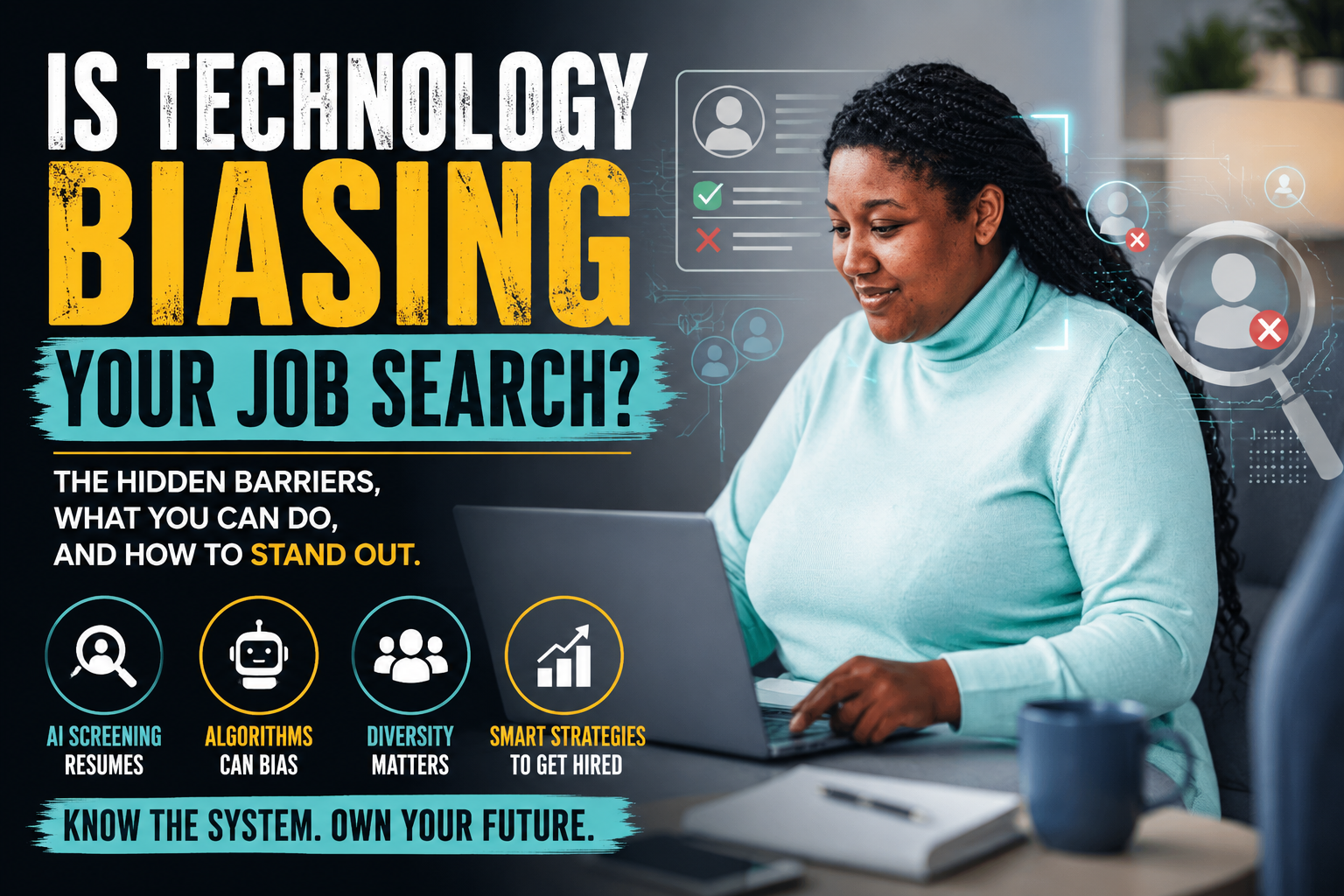
By Black Independent Media Network
In today’s digital world, finding a job often begins long before you ever speak with a recruiter. From AI-powered resume screeners to automated hiring systems, technology is now responsible for making many of the first decisions about who gets noticed—and who gets overlooked.
While these tools are designed to make hiring more efficient, they can also unintentionally reinforce existing biases, creating additional barriers for qualified candidates, especially those from historically underrepresented communities.
Many employers now use Applicant Tracking Systems (ATS) and artificial intelligence to sort through hundreds—or even thousands—of job applications.
These systems can:
Although this speeds up the hiring process, it also means a computer may decide whether your application ever reaches a human recruiter.
Technology is only as fair as the data and rules it’s built on. If hiring algorithms are trained using historical hiring patterns that favored certain groups, they can unintentionally continue those patterns.

Potential issues include:
These biases can disproportionately impact Black professionals and other underrepresented groups who may have faced systemic barriers throughout their careers.
Artificial intelligence learns from data. If that data lacks diversity or reflects past inequities, the technology may struggle to recognize talent outside of traditional hiring profiles.
This is why experts continue to call for:
Technology should help expand opportunity—not limit it.
While you can’t control how every employer uses technology, you can take steps to improve your visibility.
Many ATS systems search for keywords directly from the job description. Tailor your resume for each application by including relevant skills, certifications, and experience.
Avoid complex graphics, text boxes, and unusual fonts that some applicant tracking systems may not read correctly.
Recruiters often review LinkedIn profiles and other professional platforms. Keep your information current and highlight accomplishments that may not fit on your resume.
Many jobs are still filled through referrals and professional relationships. Attend networking events, join industry organizations, and connect with professionals in your field.
Organizations that use AI-driven hiring tools should regularly evaluate whether their systems are producing fair outcomes for all applicants.
Responsible hiring practices include:
Technology should support better hiring decisions—not replace thoughtful judgment.
Artificial intelligence is transforming the hiring process, but innovation should never come at the expense of fairness. As technology continues to shape the future of work, employers must ensure their hiring systems promote equity, transparency, and opportunity.
For job seekers, understanding how these systems work can make a meaningful difference. A well-optimized resume, strong professional network, and awareness of AI-driven hiring practices can help you navigate today’s competitive job market with greater confidence.
Career Tip: Don’t rely solely on online applications. Building relationships, networking, and continuously updating your skills remain some of the most effective ways to land your next opportunity.
Source: Black Health Matters