 11
11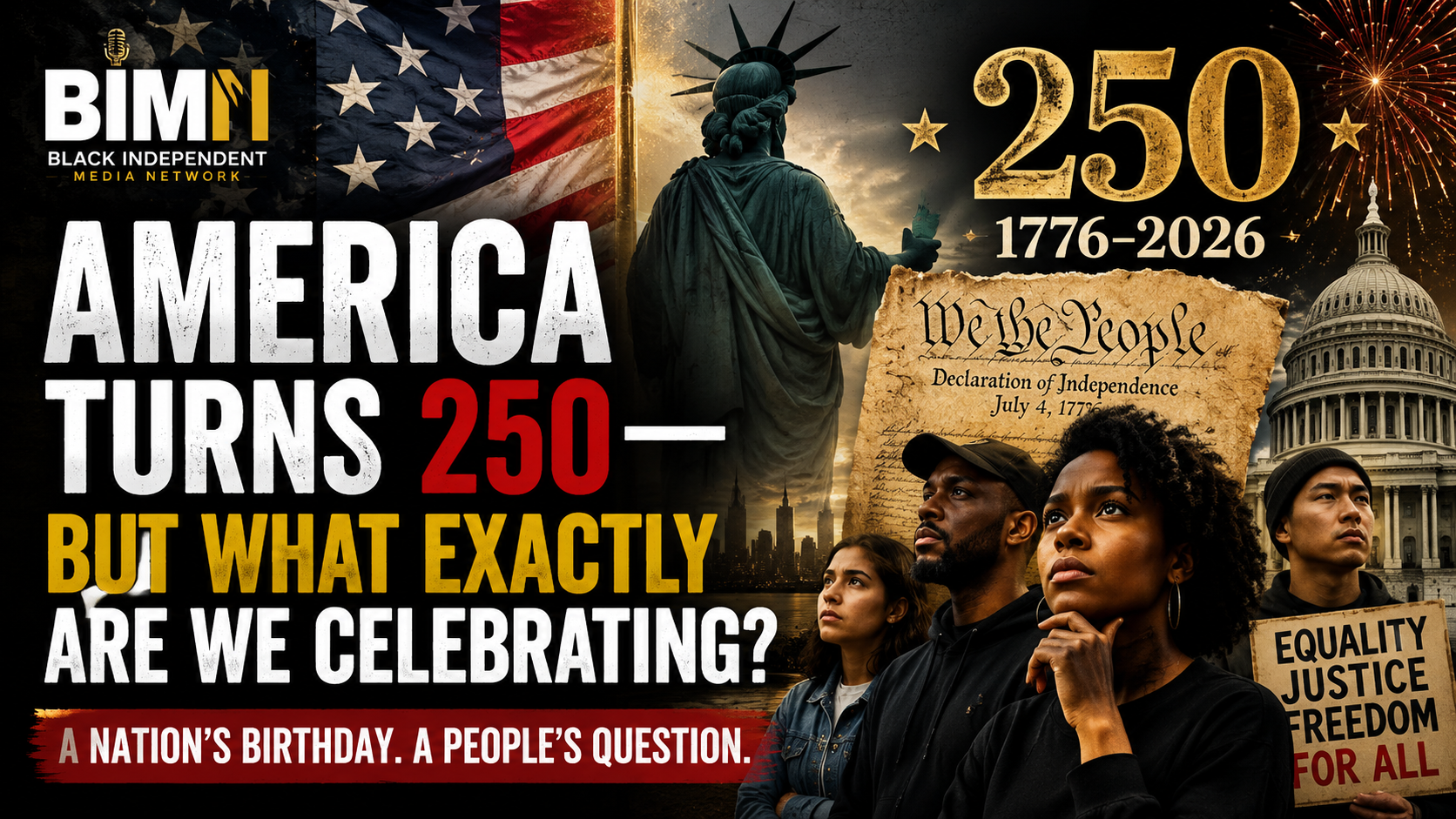
As America prepares to celebrate its 250th birthday on July 4, millions of people will gather for fireworks, cookouts, parades, and patriotic celebrations. It marks a significant milestone in our nation’s history, commemorating the signing of the Declaration of Independence in 1776.
But for many Americans, one question remains:
What exactly are we celebrating?
This isn’t a question meant to diminish America’s achievements or disrespect those who proudly celebrate Independence Day. It’s a question worth asking because the American experience has never been the same for everyone.
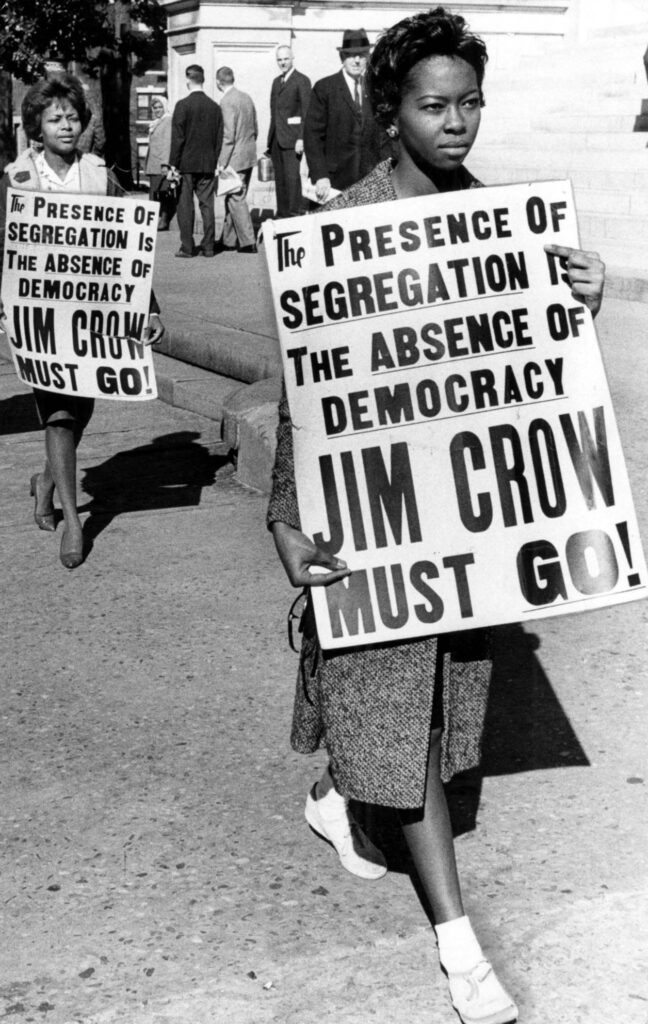
For many White Americans, the nation’s founding represents generations of opportunity, prosperity, and the ability to build wealth and pass it down. While no community has been free from hardship, history shows that some groups have had greater access to the promises outlined in America’s founding documents than others.
For Black Americans, the story is far more complicated.
When the Declaration of Independence proclaimed that “all men are created equal,” millions of Black people remained enslaved. Nearly a century later came the Civil War. Then Reconstruction. Then Jim Crow. Then segregation. Then the long fight for voting rights, equal education, housing, employment, and justice.

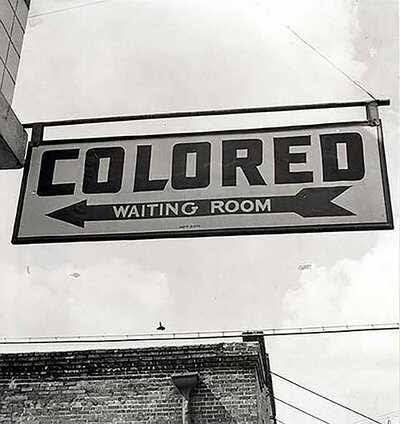
Even after landmark legislation like the Civil Rights Act and Voting Rights Act, disparities have continued in wealth, homeownership, education, criminal justice, and healthcare.
And Black Americans are not the only community with difficult chapters in America’s history.
Native Americans were displaced from their lands. Chinese immigrants faced exclusionary laws. Japanese Americans were interned during World War II. Hispanic and Latino communities have often found themselves at the center of immigration debates. Many immigrant communities have experienced periods of discrimination while trying to build better lives in America.
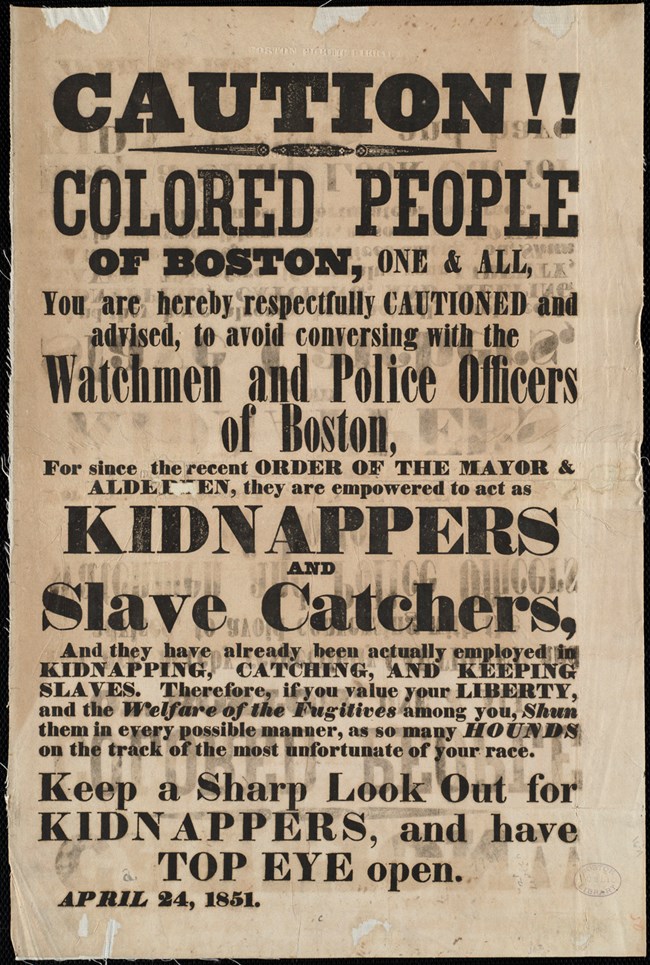
None of these realities erase America’s accomplishments.
But they do make its history more complex.
That complexity is why America’s 250th birthday feels different depending on who you ask.
For some, it’s a celebration of freedom.
For others, it’s a reminder that freedom has often been unevenly distributed.
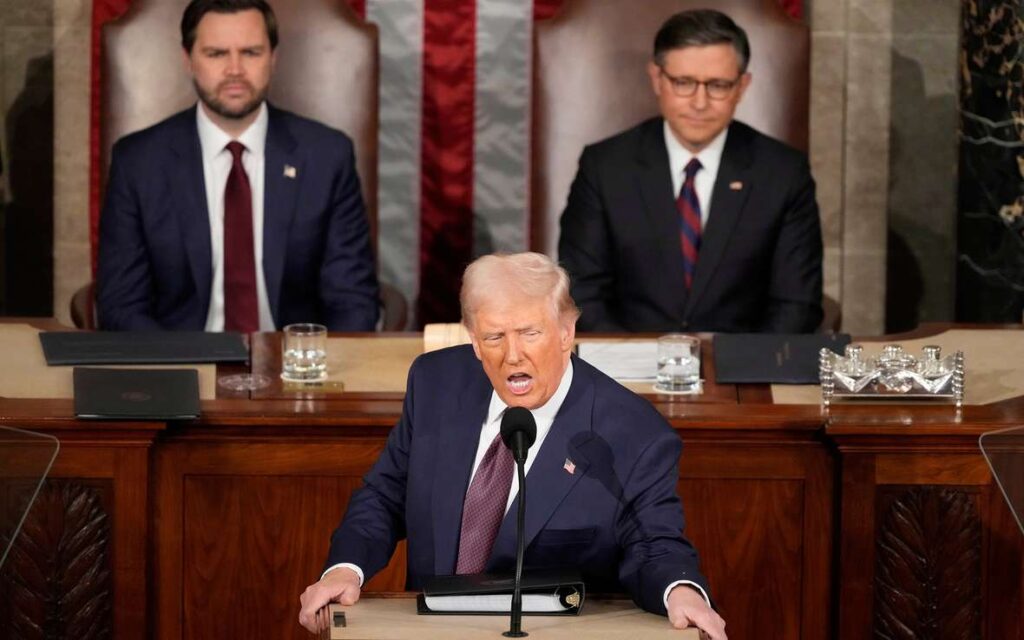
Those feelings become even stronger when many Americans believe current political decisions are moving the country backward rather than forward. Across the country, there are heated debates over voting rights, immigration policy, diversity initiatives, education, civil rights protections, and economic opportunity.
Supporters of the current administration argue these policies strengthen the nation, improve security, and restore fairness. Critics argue they disproportionately affect Black, Brown, immigrant, and other marginalized communities while rolling back progress made over previous decades.
Regardless of where someone stands politically, these debates shape how people experience this anniversary.
A nation’s birthday should ideally be something every citizen can celebrate together.
Yet many Americans don’t feel equally included in the promise of America.
That doesn’t mean America has failed entirely.
Nor does it mean there hasn’t been progress.
The United States has made enormous advances over the past 250 years. Countless barriers have fallen because ordinary people fought for a more inclusive democracy. Those victories deserve recognition.

At the same time, acknowledging progress shouldn’t require ignoring the work that remains.
Perhaps that’s the real conversation America should be having on its 250th birthday.
Not simply celebrating where we’ve been—but honestly asking where we’re going.
Can America become a country where opportunity truly belongs to everyone?
Can we reduce the racial wealth gap?
Can we ensure equal access to justice?
Can we protect civil rights while respecting differing political viewpoints?
Can we build an economy where prosperity reaches more communities instead of concentrating in fewer hands?
These are difficult questions.
But they are necessary ones.
America at 250 is more than fireworks and flags.
It’s an opportunity for reflection.
It’s a chance to recognize both the triumphs and the failures that have shaped this nation.
Patriotism doesn’t have to mean pretending everything is perfect.
Sometimes patriotism means believing your country is capable of becoming better than it has been.
So, as America celebrates 250 years of independence, perhaps the most important question isn’t whether we should celebrate.
Perhaps it’s whether every American truly feels they have an equal reason to.
What do you think?
As America marks 250 years of independence, is this a moment of celebration, a moment of reflection—or both?
Join the conversation in the comments below.
Opinion | Black Independent Media Network