 11
11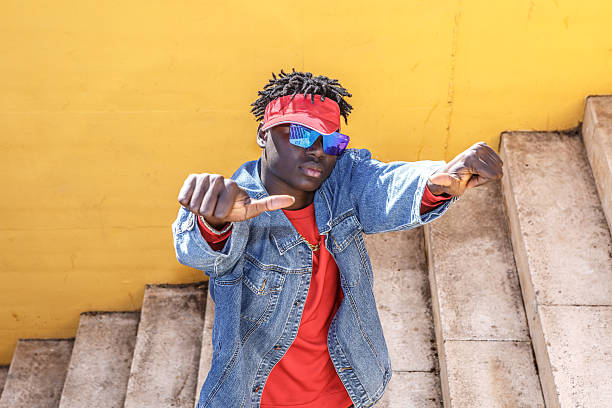
Hip-hop is more than music, it’s a voice, a mindset, and for many, a way of life. Born out of struggle in the Bronx, hip-hop has grown into a global force, but its deepest impact is still rooted in shaping modern Black identity.
From the way we talk, dress, think, and even move through the world, hip-hop has played a major role in defining what it means to be Black in today’s society.
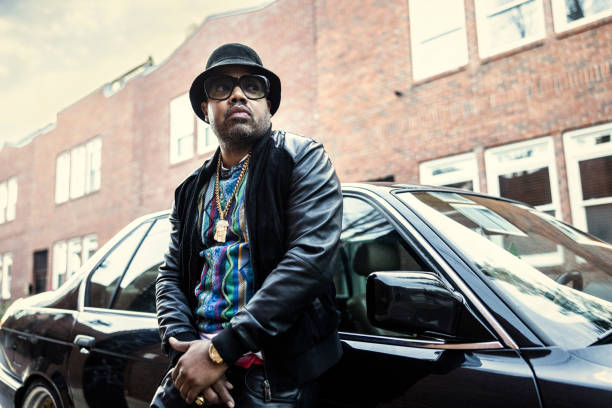
Hip-hop started as a form of expression for marginalized Black and Latino communities. It gave people a platform to speak on poverty, police brutality, racism, and everyday survival.
Artists like Tupac, Nas, and Public Enemy didn’t just make songs, they told stories that reflected real life in the Black community. Today, that tradition continues with artists who use their platform to highlight injustice and social issues.
For many, hip-hop became the first place they felt seen and heard.
Let’s be real, hip-hop didn’t just influence music, it influenced the entire culture.
From baggy jeans and Jordans to designer fits and streetwear brands, hip-hop reshaped fashion worldwide. What started in Black neighborhoods became global trends. The way people dress today, from luxury brands to urban fashion, has hip-hop fingerprints all over it.

But it goes deeper than clothes. It’s confidence. It’s attitude. It’s self-expression.
Hip-hop taught a generation how to show up boldly and unapologetically.
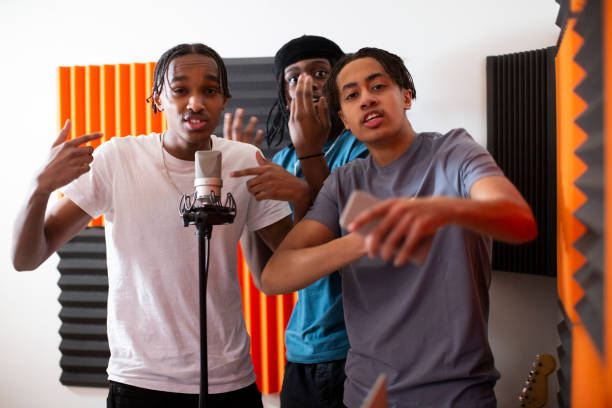
One of hip-hop’s biggest contributions to modern Black identity is the shift in mindset around money and ownership.
Early hip-hop glorified the hustle, doing whatever it took to survive. But over time, the message evolved.
Now it’s about:
Artists like Jay-Z, Nipsey Hussle, and Rick Ross helped redefine success, not just as fame, but as ownership and independence.
That influence has pushed more people in the Black community to think beyond jobs and toward entrepreneurship.
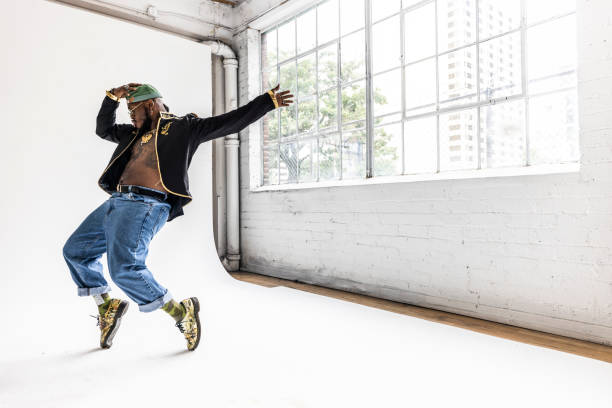
Social media took hip-hop culture and amplified it.
Now, identity is shaped in real-time:
Hip-hop is no longer controlled by gatekeepers, it’s driven by the people. And that has empowered a new generation to create their own lanes without waiting for approval.
Let’s keep it honest, hip-hop’s influence isn’t all positive.
While it has uplifted and empowered, it has also:
The challenge today is balance celebrating the culture while being mindful of what we normalize and promote.
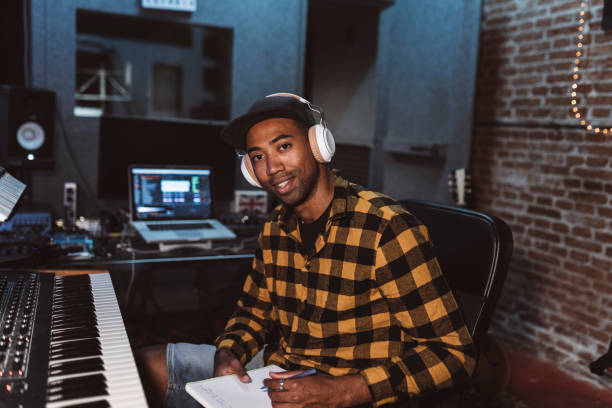
Hip-hop is identity. It’s resilience. It’s creativity. It’s survival turned into art.
It reflects both the struggles and the successes of the Black experience.
But here’s the real question:
Is hip-hop shaping us… or are we shaping hip-hop?
👇🏾 Drop your thoughts:
Has hip-hop had a positive or negative impact on Black identity? Or is it a mix of both?