
 11
11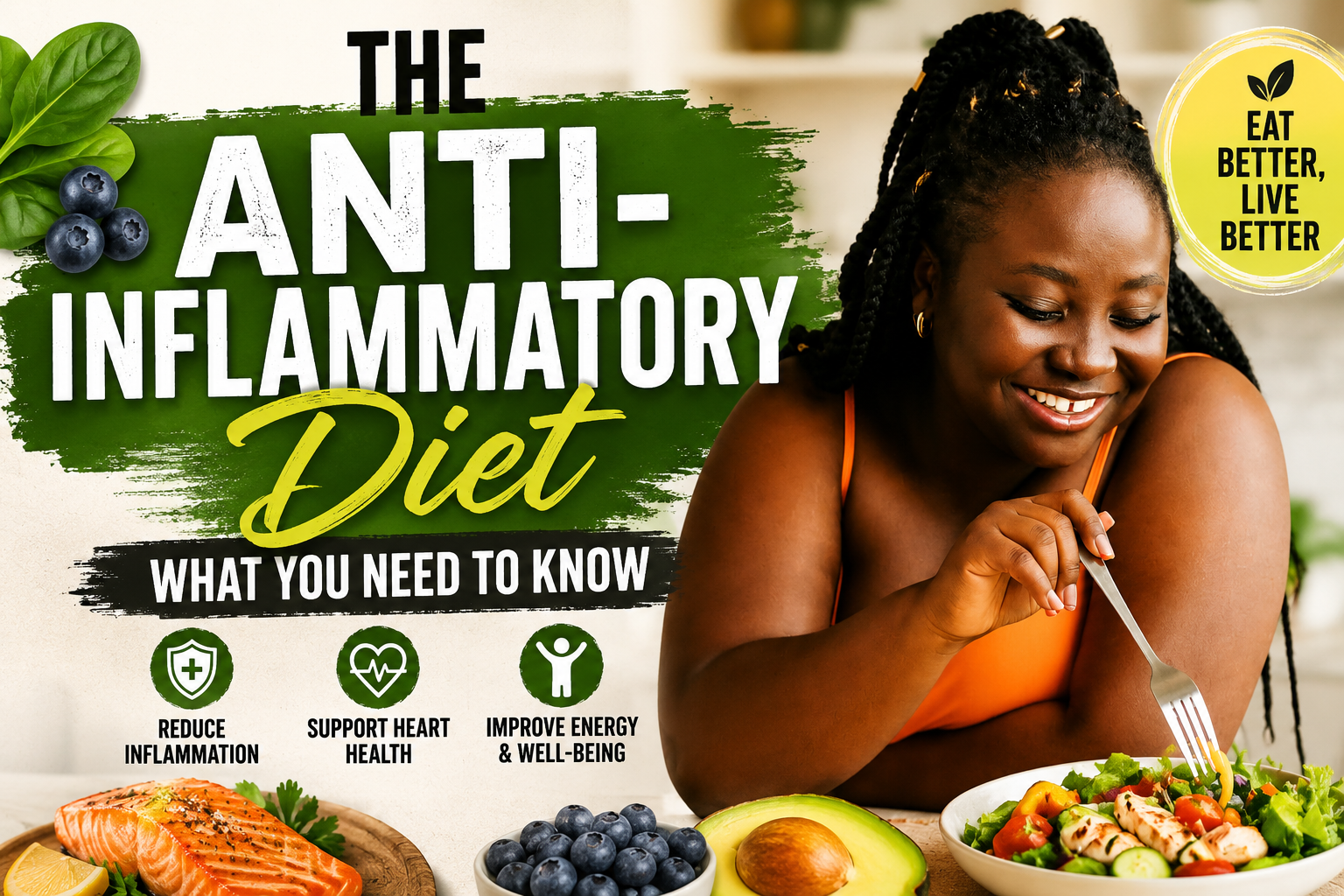
Inflammation is the body’s natural response to injury, illness, and infection. In the short term, it’s essential for healing. But when inflammation becomes chronic, it can quietly contribute to a wide range of serious health conditions, including heart disease, diabetes, arthritis, obesity, certain cancers, and Alzheimer’s disease. Anti-Inflammatory
One of the most effective ways to help reduce chronic inflammation isn’t found in a medicine cabinet—it’s found on your plate.
An anti-inflammatory diet focuses on eating whole, nutrient-rich foods that help calm inflammation while limiting processed foods and ingredients known to trigger inflammatory responses.
Rather than being a strict “diet,” it’s a sustainable way of eating that supports overall wellness, healthy aging, and disease prevention.
Many experts compare it to the Mediterranean diet, which has consistently been linked to improved heart health, better brain function, and a lower risk of chronic disease.
Building your meals around anti-inflammatory foods can provide your body with vitamins, minerals, antioxidants, and healthy fats that naturally reduce inflammation.
Some of the best choices include:

These fruits are rich in antioxidants that help protect cells from damage caused by inflammation.
Dark leafy greens contain fiber, vitamins, and plant compounds that support immune health and reduce oxidative stress.
Healthy fats help lower inflammatory markers while supporting heart and brain health.
Omega-3 fatty acids are among the most well-researched nutrients for reducing inflammation throughout the body.
Whole grains provide fiber that supports a healthy gut microbiome—an important factor in controlling inflammation.
These natural seasonings not only add flavor but also contain powerful anti-inflammatory compounds.
Just as some foods help your body, others may contribute to chronic inflammation when consumed regularly.
It’s a good idea to limit:
Reducing these foods doesn’t mean eliminating every favorite treat—it simply means making healthier choices more often than not.
Black Americans face disproportionately higher rates of hypertension, Type 2 diabetes, stroke, obesity, and heart disease. While genetics play a role, nutrition, access to healthy foods, stress, and lifestyle factors also have a significant impact.
Adopting an anti-inflammatory eating pattern can help lower the risk of many of these chronic conditions while improving energy levels, supporting weight management, and promoting healthier aging.
Small changes—such as replacing sugary beverages with water, choosing grilled foods instead of fried options, or adding an extra serving of vegetables to each meal—can make a meaningful difference over time.
An anti-inflammatory lifestyle goes beyond nutrition. Additional healthy habits include:
Together, these habits work alongside a healthy diet to reduce inflammation and improve overall well-being.
There’s no single food that can eliminate inflammation overnight, but consistently choosing nutrient-rich foods can have a powerful impact on your health over time.
An anti-inflammatory diet isn’t about perfection—it’s about making smarter choices each day that support your body’s natural ability to heal and thrive. Whether you’re looking to improve heart health, manage diabetes risk, reduce joint pain, or simply feel your best, what you eat today can influence your health for years to come.
Source: Black Health Matters